Living in a small living space can sometimes feel challenging when it comes to balancing comfort and functionality. However, with thoughtful planning and smart organization, even the coziest apartments or tiny homes can become inviting, efficient, and comfortable. This guide provides practical tips and ideas to help you maximize your small living area, making the most out of every square foot.
Assess Your Space and Needs
Before jumping into organizing, it’s important to assess your space and understand your daily needs.
– Measure your room: Knowing exact dimensions helps when choosing furniture and storage solutions.
– Identify primary activities: Think about how you use the space—working, relaxing, entertaining—and prioritize these functions.
– Declutter: Start by removing items you no longer use or need. A clutter-free space feels larger and more relaxing.
Smart Furniture Choices
Selecting furniture designed for small spaces makes a big difference.
Multi-Functional Furniture
– Sofa beds and futons: Perfect for small living rooms that double as guest rooms.
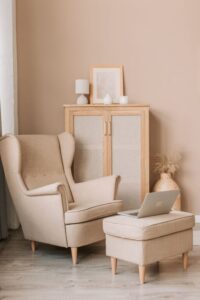
– Ottomans with storage: Offers seating and hidden space for blankets, magazines, or toys.
– Foldable or extendable tables: Allows flexibility for dining or working without taking up too much room.
Scale and Placement
– Choose furniture that fits the scale of your room. Oversized sofas or bulky armchairs can overwhelm a small area.
– Arrange furniture to create clear pathways and an open feel. Floating furniture away from walls can sometimes help make the space feel less cramped.
Maximizing Storage Space
Storage is often the biggest challenge in small living spaces. The key is to use hidden or vertical areas creatively.
Utilize Vertical Space
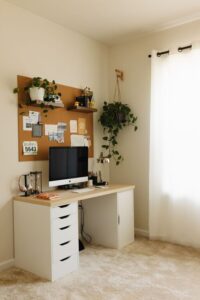
– Wall-mounted shelves: These free up floor space and keep things within easy reach.
– Over-the-door organizers: Great for shoes, cleaning supplies, or pantry items.
– Tall bookcases or cabinets: Draw the eye upwards and increase storage without expanding your footprint.
Under-Furniture Storage
– Use bins or baskets under the bed or sofa to store seasonal items or rarely used belongings.
– Beds with built-in drawers or lift-up mattresses add convenient hidden storage.
Declutter Regularly
Keeping clutter at bay is essential. Try implementing regular tidying sessions, focusing on one area or category at a time.
Thoughtful Organization Techniques
Organizing effectively helps create a visually calming space.
Use Boxes and Containers
– Store similar items in labeled boxes or containers to avoid mess and make things easy to find.
– Clear containers help you quickly see what’s inside.
Designate Zones
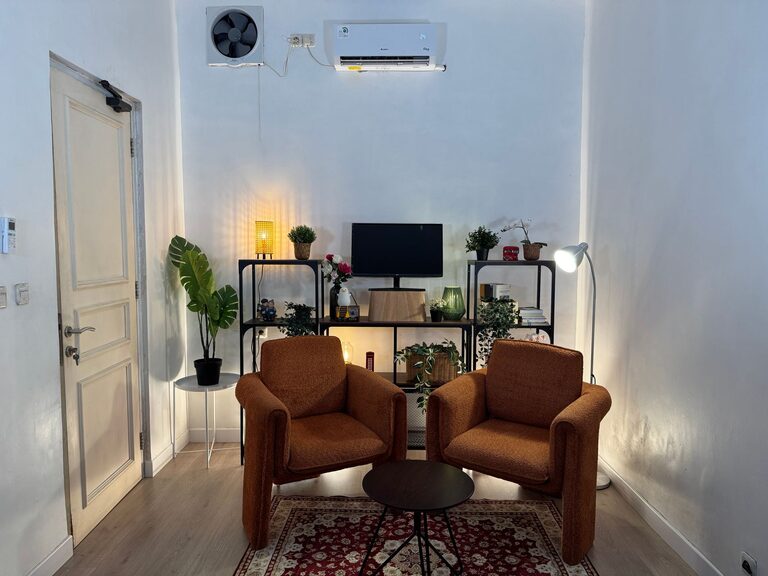
Divide the space into zones based on activity—for example, a reading corner, a workspace, or a relaxation area. This helps keep things contained and purposeful.
Keep Surfaces Clear
Countertops, tables, and other surfaces should remain mostly free of clutter. Utilize vertical and hidden storage so everyday items don’t pile up.
Enhancing Comfort and Ambiance
Small spaces shouldn’t sacrifice comfort or style.
Lighting
– Use multiple light sources such as floor lamps, table lamps, and wall sconces to create warmth and depth.
– Maximize natural light by keeping windows unobstructed and choosing light, airy curtains.
Textiles and Decor
– Soft rugs, throw pillows, and blankets add texture without taking much space.
– Mirrors create an illusion of depth and increase brightness.
– Keep decorations minimal but meaningful to avoid visual clutter.
Color Choices
Light, neutral colors tend to make spaces feel larger and more open. Accent with pops of color in accessories to add personality.
Maintain Your Organized Space
Maintaining an organized small living space is an ongoing process.
– Create daily habits, like putting things back in their place.
– Schedule monthly reviews to declutter and reorganize as needed.
– Be mindful about new purchases—only bring in what suits your space and lifestyle.
Conclusion
Organizing a small living space doesn’t have to be overwhelming. By assessing your needs, choosing smart furniture, maximizing storage, and maintaining a clutter-free environment, you can create a home that is both comfortable and functional. Small spaces can feel spacious and welcoming with a little planning and creativity!
With these tips, your small living area can become a delightful, practical retreat where every item has a place and every corner serves a purpose. Happy organizing!