Creating a relaxing home office environment is essential for maintaining focus, reducing stress, and balancing work with comfort. Whether you’re working remotely full-time or just need a quiet spot for occasional tasks, designing a space that feels peaceful and organized can make a big difference. Here are some helpful tips to transform your home office into a relaxing and productive haven.
Choose the Right Location
Consider Natural Light
Pick a spot in your home that gets plenty of natural light. Sunlight not only brightens up the space but also helps improve mood and alertness. Position your desk near a window if possible, but be mindful of glare on your computer screen.
Minimize Noise and Distractions
Look for a quiet area away from common household activities and noise. If you can’t avoid some background sounds, consider noise-canceling headphones or calming background music to maintain focus.
Create Comfortable Furniture Setup
Invest in Ergonomic Seating
A good chair that supports your posture goes a long way in making your workspace comfortable. Look for chairs with adjustable height, lumbar support, and padding to avoid back pain during long work sessions.
Set Up an Organized Desk
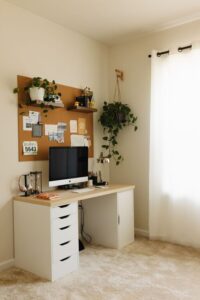
Choose a desk that fits your space and meets your work needs. Keep the surface clean and clutter-free to help maintain concentration. Use organizers or trays to store pens, papers, and other supplies neatly.
Position Your Screen Properly
Make sure your computer monitor is at eye level to reduce neck strain. An adjustable monitor stand or stack of books can help achieve the right height.
Add Calming Colors and Decor
Use Soothing Color Schemes
Colors like soft blues, greens, and neutrals create a calming atmosphere. Consider repainting your office walls or adding accessories in these shades to promote relaxation.
Bring in Natural Elements
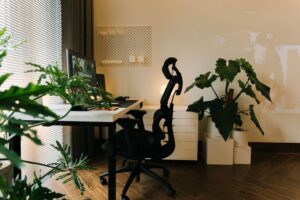
Incorporate plants, flowers, or natural wood accents to add life and freshness to your office. Plants can improve air quality and add a touch of nature, which many find soothing.
Personalize Mindfully
Decorate with a few personal items such as photos, artwork, or inspirational quotes. Avoid overcrowding the space—keeping it simple helps reduce visual stress.
Optimize Lighting
Mix Natural and Artificial Lighting
In addition to natural light, use warm, adjustable lighting options like desk lamps or floor lamps. Avoid harsh overhead lighting when possible as it can cause eye strain.
Use Task Lighting
A focused desk lamp can improve visibility and reduce fatigue for detailed work.
Establish a Functional Layout
Plan for Movement and Space
Make sure there’s enough room to move comfortably and switch positions. If space allows, include a small area for stretching or short breaks.
Separate Work and Relaxation Zones
If your office is part of a larger room, use rugs or furniture placement to distinguish your work area from relaxation spots. This helps signal when it’s time to focus and when it’s time to unwind.
Incorporate Organization Strategies
Declutter Regularly
A clutter-free desk reduces distractions. Make it a habit to tidy your workspace daily or weekly.
Use Storage Solutions
File cabinets, shelves, and boxes can keep papers and supplies organized and out of sight.
Manage Cables
Use cable organizers or clips to keep cords neatly bundled and prevent a tangled mess.
Enhance Air Quality and Comfort
Ventilate Your Office
Open windows periodically or use an air purifier to keep fresh air circulating.
Control Temperature
Maintain a comfortable temperature with a fan, heater, or thermostat. Being too hot or cold can distract you.
Develop Relaxing Routines
Take Regular Breaks
Stand up, stretch, or take a quick walk every hour to refresh your mind and body.
Incorporate Mindfulness Practices
Simple breathing exercises or a few minutes of meditation can help manage stress during the workday.
Stay Hydrated and Nourished
Keep water and healthy snacks nearby to maintain energy levels without interrupting your focus.
Final Thoughts
Designing a relaxing home office is about combining functionality with comfort. Small changes like optimizing lighting, adding plants, and organizing your space can create a peaceful workplace that supports your wellbeing and productivity. Experiment with different elements until you find what feels best, and enjoy the benefits of a calming environment where you can work effectively and comfortably.